Sesame in Sudan: A Success Story with Sikal Company

Mekki Elfatih
The White Gold and the Land of Bounty
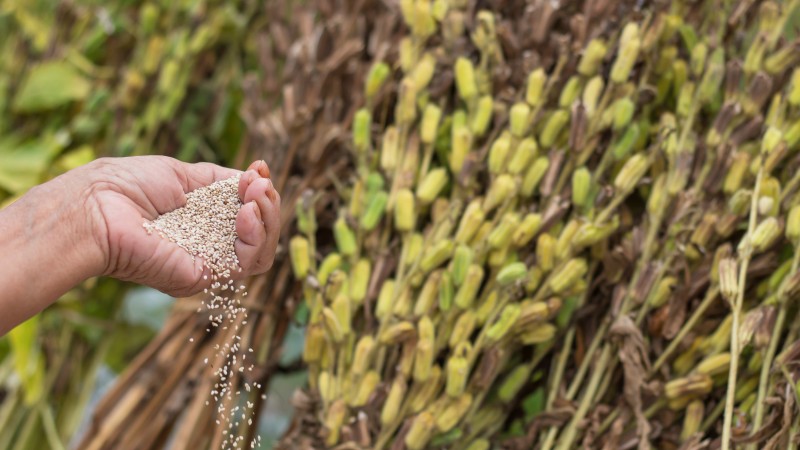
Sesame, often dubbed the "White Gold," is one of the oldest oilseed crops known to humanity and holds a critically strategic and economic position in Sudan. Thanks to its vast lands and conducive climate, Sudan stands as one of the world's largest producers and exporters of sesame. Within this vital sector, Sikal Company emerges as a key player, having invested in the potential of the Sudanese land to elevate the quality and efficiency of this crop's production, thereby contributing to the national economy and providing employment opportunities.
The Economic Significance of Sesame in Sudan
Sesame constitutes one of the main sources of foreign currency for Sudan, with a significant portion exported to global markets for use in the food, oil, and cosmetics industries. Its importance is not limited to export; it is also fundamental to the local diet, used in the production of tahini, halva (sweet paste), and healthy cooking oil. The dedicated development of sesame cultivation, as championed by Sikal, represents a direct investment in Sudan's economic and food security strength.
The Role of Sikal Company in Sesame Cultivation
Sikal is considered a pioneering company that has adopted an integrated and modern methodology for sesame cultivation, moving beyond traditional methods that often lead to volatile production and reduced quality. Its role is concentrated in several key areas:
1. Investment in Vast Lands: Sikal invests in extensive agricultural areas within Sudan's sesame belt, preparing these lands for mechanized farming to ensure high efficiency in tilling, sowing, and harvesting operations.
2. Introduction of Modern Technology and Intensification: The company relies on modern agricultural techniques, including the use of superior sesame seed varieties known for their disease resistance, high yield, and excellent quality. It implements complementary irrigation systems (in specific areas) or relies on rainfall in others with meticulous water management. Furthermore, Sikal works to increase planting density per unit area to maximize land returns.
3. Contract Farming and Farmer Support: Sikal plays a crucial role in supporting local farmers through its "contract farming" system. Instead of solely relying on direct investment, the company provides farmers with improved seeds, necessary agricultural guidance, and sometimes financing, ensuring the purchase of the harvest from them at a fair, pre-determined price. This system mitigates market risks for farmers and guarantees a steady supply of high-quality sesame for the company.
4. Quality Control and Pest Management: Priority is given to crop quality. Seecal teams supervise the implementation of preventative and curative programs to combat pests and diseases that threaten the sesame crop. This stringent control ensures that the produced sesame is free from impurities and contaminants, facilitating its export and enhancing its market value.
5. Post-Harvest and Processing: Sikal work extends beyond harvesting to post-harvest operations, including cleaning, drying, and storage. The company utilizes modern, equipped storage facilities to prevent sesame spoilage, thereby preserving its characteristics and quality until the export stage or local processing for added value.
Challenges and Future Prospects
Despite its successes, sesame cultivation in Sudan, including Sikal operations, faces challenges such as climate change, fluctuating energy prices, and the persistent need to develop road and storage infrastructure.
Nevertheless, Seecal's future prospects are highly promising. It is continuously striving to expand the cultivation of Organic Sesame, which is experiencing growing demand in European and American markets. The company is also working to introduce more sophisticated machinery to improve harvesting efficiency and reduce losses, ensuring Sudan maintains its position as a powerhouse in "White Gold" production.
Conclusion
Sikal Company represents a leading model for responsible and productive investment in Sudan's agricultural sector. By combining rich natural resources with modern agricultural techniques and partnering with local communities, Seecal is not only contributing to sesame production but also building a sustainable agricultural sector capable of competing globally, affirming that the land of Sudan holds abundant prosperity for those who manage it wisely.